What Is Cranial Osteopathy? Understanding This Gentle Approach to Treatment
· Marta, GOsC-registered Osteopath
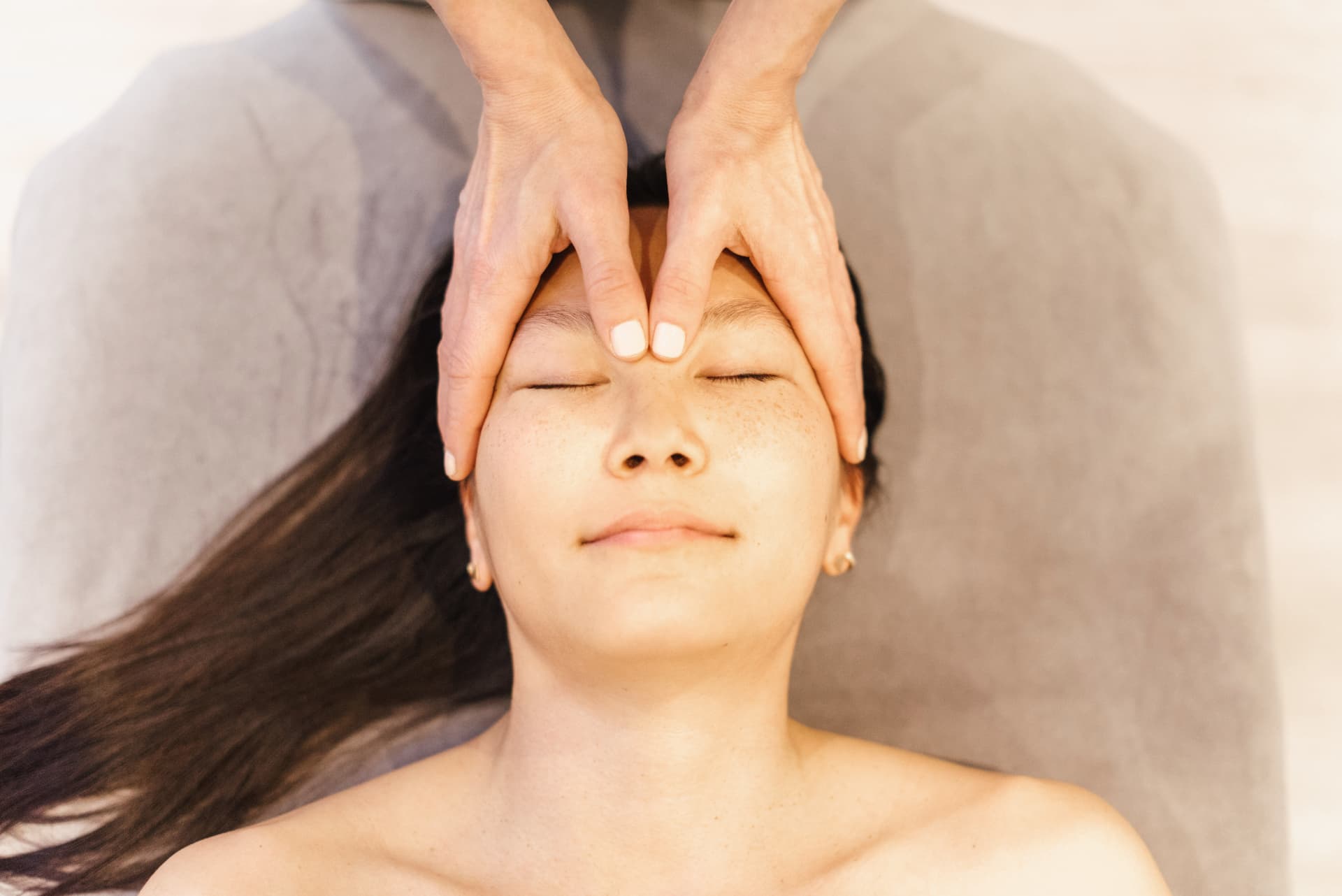
Many people associate osteopathy with joint manipulation, cracking sounds or firm pressure applied to muscles and joints. But osteopathy does not always have to involve strong physical techniques.
Cranial osteopathy is one of the gentlest approaches within osteopathic practice. It uses subtle manual techniques and light touch, making it particularly appealing to people who prefer a quieter, less physically demanding form of treatment.
Despite its name, cranial osteopathy is not simply about treating the head. It considers the body as a whole and may involve gentle contact with different areas, including the head, spine, pelvis and other parts of the body.
For people experiencing physical tension, feeling overwhelmed by everyday demands or simply looking for a more comfortable approach to hands-on treatment, cranial osteopathy may be worth exploring.
But what exactly is it, where did it come from, and what happens during a session?
Where Did Cranial Osteopathy Come From? A Brief History
Cranial osteopathy was developed by American osteopath William Garner Sutherland (1873–1954), a student of Andrew Taylor Still, the founder of osteopathy.
The story began around 1899, when Sutherland was studying at the American School of Osteopathy in Kirksville, Missouri.
While examining a disarticulated human skull, he noticed that the edges of the temporal and sphenoid bones appeared bevelled, rather like the gills of a fish. This observation led him to question whether the bones of the skull might have a degree of movement.
At the time, conventional anatomical teaching considered the sutures between adult skull bones to be fused and essentially immobile.
Rather than immediately publishing his idea, Sutherland spent approximately 30 years investigating it. He even conducted unusual experiments on himself, using specially designed helmets and straps to apply pressure to different parts of his head. He recorded the effects he experienced and attempted to understand the relationship between these changes and the body's functioning.
In 1939, he published The Cranial Bowl, presenting his developing theory to the wider osteopathic profession.
His work eventually became the foundation of what we now know as cranial osteopathy.
Over the following decades, other osteopaths continued to develop his ideas, including Viola Frymann, Rollin Becker and James Jealous. Cranial osteopathy also influenced the development of craniosacral therapy, a related but distinct approach.
Although some aspects of Sutherland's original theory remain scientifically debated, his work introduced a different way of thinking about gentle manual treatment and the relationship between the head and the rest of the body.
What Is Cranial Osteopathy?
Cranial osteopathy is a gentle, hands-on approach that uses very light pressure and subtle manual techniques.
Unlike some forms of structural osteopathy, which may involve more direct mobilisation of joints, stretching or deeper soft tissue techniques, cranial osteopathy relies on minimal physical force.
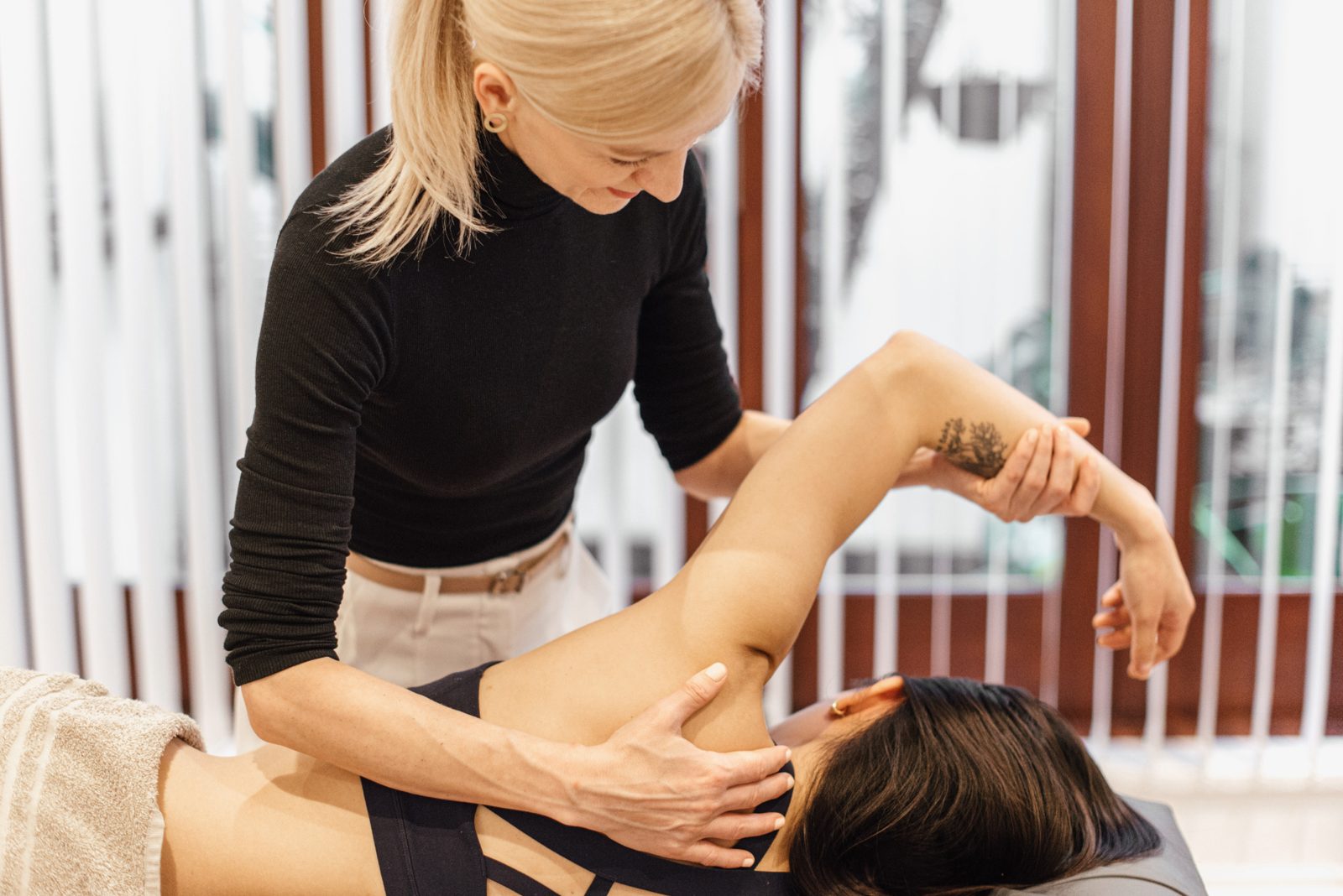
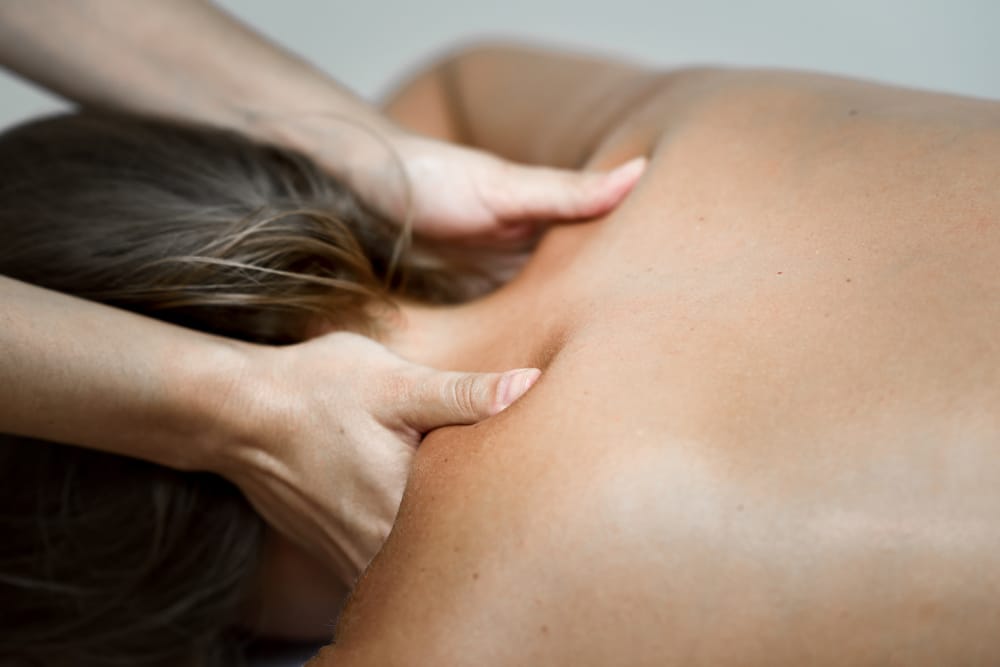
The osteopath uses their hands to make gentle contact with the body, assessing areas of tension, tissue movement and comfort. Treatment is adapted to the individual rather than following a standard routine.
Despite the name, treatment is not necessarily restricted to the skull. Depending on the person's needs, an osteopath may work with the head, neck, spine, pelvis or other areas of the body.
The intention is to provide a comfortable treatment experience while considering how different parts of the body relate to one another.
Does Cranial Osteopathy Involve Moving the Bones of the Skull?
This is one of the most interesting and frequently misunderstood aspects of cranial osteopathy.
Sutherland proposed that the bones of the adult skull retain subtle movement and that this movement forms part of what he called the Primary Respiratory Mechanism.
His theory described five interconnected components:
The inherent movement of the brain and spinal cord.
The fluctuation of cerebrospinal fluid, which surrounds and protects the brain and spinal cord.
The movement and tension of the membranes surrounding the central nervous system.
The mobility of the cranial bones.
The involuntary movement of the sacrum between the pelvic bones.
Sutherland believed these components worked together in a subtle, rhythmic process.
However, modern scientific research has not established that adult cranial bones move in the way described by the traditional theory or that practitioners can reliably identify the proposed cranial rhythm through touch.
What we do know is that cerebrospinal fluid has measurable pulsations associated with cardiovascular and respiratory activity, and that the nervous system continuously regulates many involuntary processes within the body.
It is important to distinguish these established physiological processes from Sutherland's original theory.
In modern osteopathic practice, cranial techniques are used as a gentle form of manual treatment, without needing to assume that every aspect of the historical theory has been scientifically demonstrated.
What Can Cranial Osteopathy Offer?
One of the main reasons people choose cranial osteopathy is its gentle nature.
Not everyone enjoys strong manual treatment. Some people find joint manipulation uncomfortable, dislike deep pressure or simply feel more relaxed when treatment involves minimal physical contact.
Cranial osteopathy offers an alternative.
The techniques are adapted to your comfort, and the treatment takes place at a calm, unhurried pace.
Some people find this approach particularly appealing when they experience:
General muscular tension and physical discomfort.
Neck and shoulder tightness.
A preference for lighter manual techniques.
Sensitivity to stronger pressure or manipulation.
A desire for a more relaxing treatment experience.
Difficulty feeling comfortable with conventional hands-on treatment.
The aim is not to force the body into a particular position or create movement through strong physical pressure. Instead, the osteopath works gently, taking into account your individual circumstances and response to treatment.
It is important to remember that research into the specific clinical effectiveness of cranial osteopathy remains limited. It should not be considered a proven treatment for medical or psychological conditions.
Cranial Osteopathy, Stress and Anxiety: How Can Gentle Treatment Help?
Stress and anxiety affect us in many different ways, both emotionally and physically. When life becomes overwhelming, our bodies can remain in a state of tension, making it difficult to relax, switch off or feel truly at ease.
Many people experience physical symptoms such as:
Tension in the neck, shoulders and jaw.
Muscle tightness and general body discomfort.
Restlessness and difficulty relaxing.
Feeling constantly on edge or overwhelmed.
Disturbed sleep and difficulty switching off.
A general feeling of physical and emotional exhaustion.
This is where cranial osteopathy may offer valuable support.
Its gentle, calming approach can be particularly beneficial for people who are experiencing the physical effects of stress and anxiety. Through light touch, gentle manual techniques and a quiet, unhurried treatment experience, cranial osteopathy aims to help ease physical tension and encourage a sense of relaxation and wellbeing.
Many people appreciate having dedicated time away from everyday pressures, allowing them to slow down and reconnect with their bodies. For those who find stronger forms of treatment uncomfortable or overwhelming, the subtle nature of cranial osteopathy can make the experience particularly appealing.
By addressing physical tension and providing a calm, supportive treatment environment, cranial osteopathy may help people feel more relaxed and comfortable.
Of course, everyone responds differently, but sometimes a gentler approach is exactly what someone needs when life feels overwhelming.
Do You Have to Undress for Cranial Osteopathy?
One of the practical advantages of cranial osteopathy is that you remain fully clothed throughout the treatment.
Unlike some other forms of manual therapy, there is no need to undress.
You can wear comfortable everyday clothing, and the osteopath uses gentle contact over your clothing.
This can make the experience more comfortable for people who feel self-conscious, prefer not to undress or simply want a treatment that feels less physically intrusive.
It can also be particularly appealing to people who are sensitive to touch or unfamiliar with hands-on therapies.
Your comfort is always important, and you can discuss any concerns or preferences before and during the session.
What Happens During a Cranial Osteopathy Appointment?
At Marylebone House, every appointment begins with a conversation.
Before deciding which techniques may be appropriate, I want to understand your symptoms, medical history, lifestyle and general health.
The initial consultation includes:
1. Understanding your concerns
We discuss what has brought you to the appointment, how you feel physically and whether you have any particular concerns about treatment.
2. Individual assessment
I consider your medical history, symptoms and relevant physical findings to establish whether osteopathic treatment is appropriate.
3. Gentle treatment
If cranial osteopathy is suitable, I use light, sustained contact and subtle manual techniques. The treatment is adapted to your comfort, and you remain fully clothed.
4. Advice and recommendations
Depending on your needs, we may discuss other ways to support your comfort and general physical wellbeing.
There is no requirement to tolerate discomfort or stronger techniques. You can ask questions, request adjustments or stop treatment at any point.
Is Cranial Osteopathy Suitable for Everyone?
Cranial osteopathy is a gentle approach that can be adapted for people of different ages and stages of life.
It may be particularly suitable for those who:
Prefer gentle treatment rather than strong manipulation.
Find deep tissue pressure uncomfortable.
Feel nervous about hands-on treatment.
Prefer to remain fully clothed.
Would like a quieter, less physically demanding treatment experience.
Techniques can be adapted for adults, older people, children and babies, although the suitability of treatment must always be considered individually.
As with any osteopathic approach, a proper assessment is essential. Some symptoms may require medical investigation or treatment from another healthcare professional, and osteopathy should never delay appropriate medical care.
Cranial Osteopathy: Understanding Its Benefits
Cranial osteopathy has been practised for many decades and offers a gentle, hands-on approach that many people find both comfortable and beneficial.
Over the years, I have seen people experience very positive changes following cranial osteopathy. I have also experienced its benefits personally. Patients often appreciate how subtle the techniques are, particularly when they are dealing with physical tension, discomfort or the effects of prolonged stress.
Unlike some forms of manual treatment, cranial osteopathy does not rely on strong pressure, forceful movements or joint manipulation. Instead, it uses gentle touch and carefully adapted techniques, making it an appealing option for people who prefer a softer approach to treatment.
Our understanding of the human body is constantly evolving. While William Garner Sutherland's original theories continue to inspire discussion and research, cranial osteopathy remains an established approach within osteopathic practice.
Ultimately, what matters is the individual and how they respond to treatment.
At Marylebone House, I believe in combining clinical knowledge, practical experience and a thoughtful understanding of each patient. My approach is always to listen, assess and choose techniques that are appropriate for the individual.
Cranial osteopathy offers an opportunity to experience osteopathic treatment in a gentle and reassuring way. You do not need to tolerate strong pressure or forceful manipulation to receive hands-on care.
Is Cranial Osteopathy Right for You?
You do not need to be experiencing severe pain to consider cranial osteopathy.
Perhaps you have tried other forms of manual treatment and found them too strong. Perhaps you feel uncomfortable with joint manipulation or simply prefer a gentler approach.
Or perhaps you are looking for a treatment experience that gives you time to slow down, feel comfortable and focus on your physical wellbeing.
Cranial osteopathy offers a different experience of hands-on care: subtle, gentle and adapted to the individual.
For me, the most important part of osteopathic practice is understanding the person in front of me and choosing an approach that feels appropriate for their needs.
There is no single technique that suits everyone, and treatment should never feel like something you have to endure.
If you would like to explore a gentler approach to osteopathy, I would be happy to discuss whether cranial techniques may be suitable for you.
Related treatment
Nutritional Advice in MaryleboneHolistic nutritional guidance to complement your therapeutic journey.
Ready to feel better?
Book a treatment with a GOsC-registered osteopath in Marylebone.