What Is Osteopathy? Understanding What Osteopaths Actually Do
· Marta, GOsC-registered Osteopath
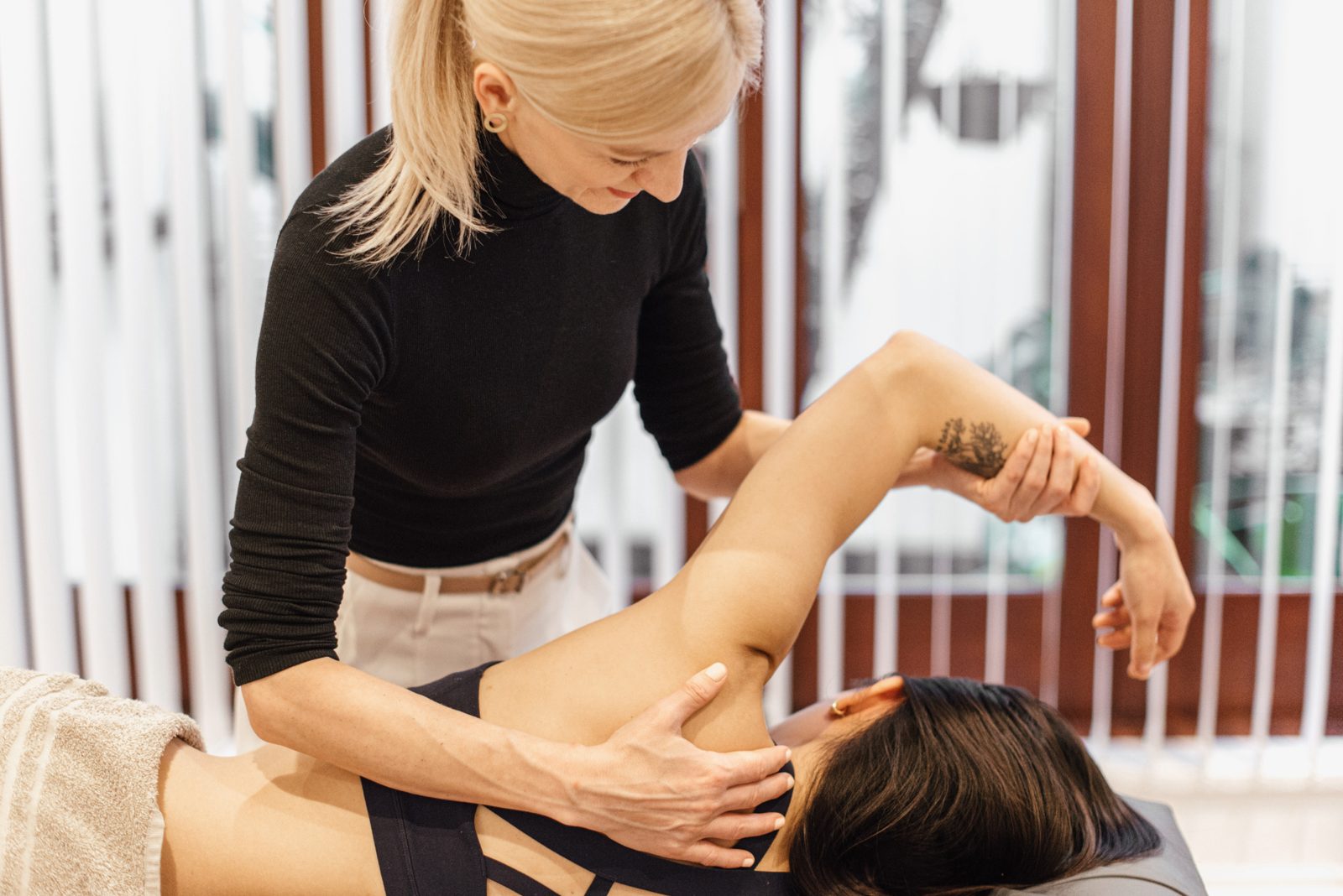
What is osteopathy, and what does an osteopath actually do? Many people associate osteopathy with back cracking, massage or the treatment of muscular pain. While hands-on techniques are part of osteopathic practice, there is much more to it.
Osteopathy is a regulated healthcare profession that focuses on assessing, diagnosing and managing conditions affecting the body, particularly those involving muscles, joints, nerves and movement.
As an osteopath, my work does not begin with deciding which technique to use. It begins with understanding the person in front of me: their symptoms, medical history, lifestyle, movement patterns and overall health.
The aim is not simply to treat where something hurts, but to understand what may be contributing to the problem and how we can support the body's ability to function and adapt.
Where Did Osteopathy Come From? A Brief History
Osteopathy was developed in the late 19th century by American physician Andrew Taylor Still.
Still was dissatisfied with the medical practices of his time, many of which relied on treatments he considered ineffective or harmful. Following the loss of three of his children to spinal meningitis in 1864, he began questioning the medical approaches available to him and developed a different way of understanding health and the human body.
His philosophy placed particular importance on anatomy, the relationship between the body's structures and functions, and the body's inherent capacity to maintain health and recover from illness and injury.
One of his central ideas was that the body should be understood as an interconnected whole rather than as a collection of separate parts.
Although osteopathic medicine has evolved considerably since Still's time, this principle remains important in modern osteopathic practice.
Rather than looking at symptoms in isolation, osteopaths consider how different structures and systems of the body interact and influence one another.
What Is Osteopathy Based On?
Osteopathy is built around an understanding of anatomy, physiology and the relationship between the body's structure and function.
The body has remarkable mechanisms for maintaining balance, adapting to physical demands and recovering from injury. However, pain, injury, prolonged stress, repetitive movements and other health factors can affect how comfortably and efficiently we move and function.
An osteopath uses their knowledge of anatomy and physiology to assess these changes and identify areas that may be contributing to a person's symptoms.
The intention is not to force the body into a particular position or simply fix an individual structure. It is to facilitate better movement and function, support the body's natural adaptive processes and create conditions in which recovery can take place.
This is an important distinction: osteopathy is not about forcing change, but about understanding the body and working with it.
Osteopaths Are Diagnosticians, Not Just Manual Therapists
One of the biggest misconceptions about osteopathy is that osteopaths simply massage muscles or manipulate joints.
In reality, clinical assessment and diagnosis are fundamental parts of osteopathic practice.
Registered osteopaths undertake extensive training in anatomy, physiology, pathology, biomechanics and clinical examination. They learn to recognise different patterns of symptoms, understand possible causes of pain and identify when something requires further medical investigation.
When you visit an osteopath, the appointment should involve much more than identifying the area that hurts.
The assessment may include:
Medical history: Understanding your symptoms, previous injuries, medical conditions, medications and general health.
Postural and movement assessment: Observing how you stand, walk and move, and identifying areas of restriction or altered movement.
Musculoskeletal examination: Assessing joints, muscles, connective tissues and spinal mobility.
Orthopaedic testing: Using specific clinical tests to investigate possible musculoskeletal conditions.
Neurological examination: Where indicated, assessing reflexes, sensation, muscle strength and nerve-related symptoms.
These findings help the osteopath build a clinical picture, consider possible diagnoses and decide whether osteopathic treatment is appropriate.
Importantly, osteopaths are also trained to recognise symptoms that may indicate something outside their scope of practice. If further investigation, imaging or assessment by another healthcare professional is necessary, an appropriate referral can be recommended.
This diagnostic approach is what makes osteopathy a healthcare profession rather than simply a hands-on treatment.
What Happens During an Osteopathy Appointment?
Your first osteopathy appointment begins with a conversation.
I want to understand not only where you experience pain, but also when it started, what makes it better or worse, whether it affects your daily activities and how it relates to your general health.
Two people can experience similar symptoms for very different reasons. For example, lower back pain may be associated with muscular overload, joint irritation, movement restrictions or other underlying conditions.
That is why an individual assessment is essential.
Following the consultation and physical examination, I explain my findings and discuss the most appropriate approach.
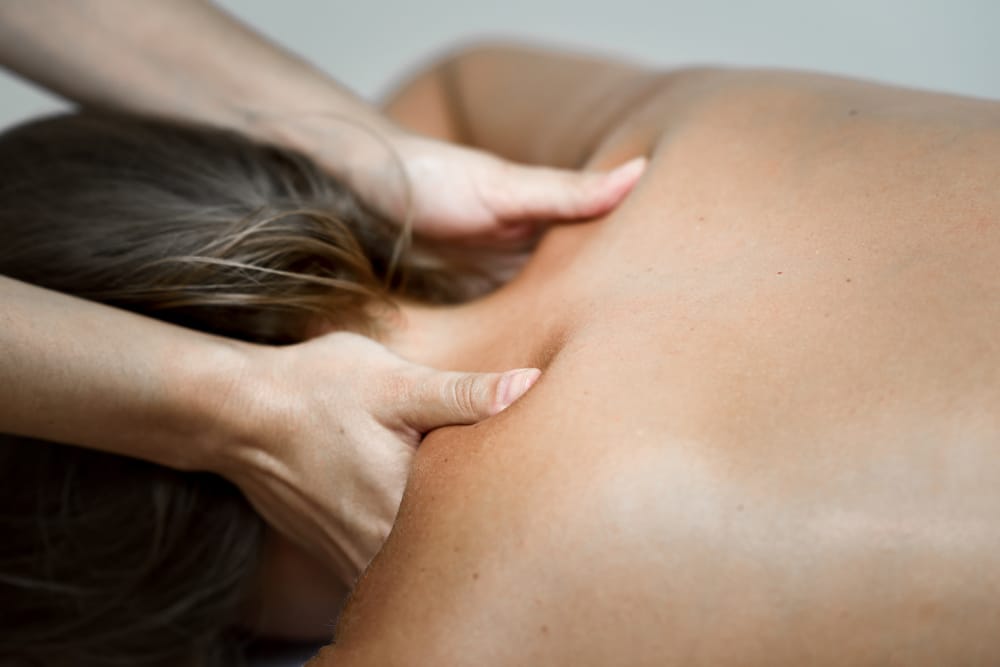
Treatment may involve a combination of techniques, depending on your presentation and individual needs.
These can include:
Joint mobilisation to improve movement and comfort.
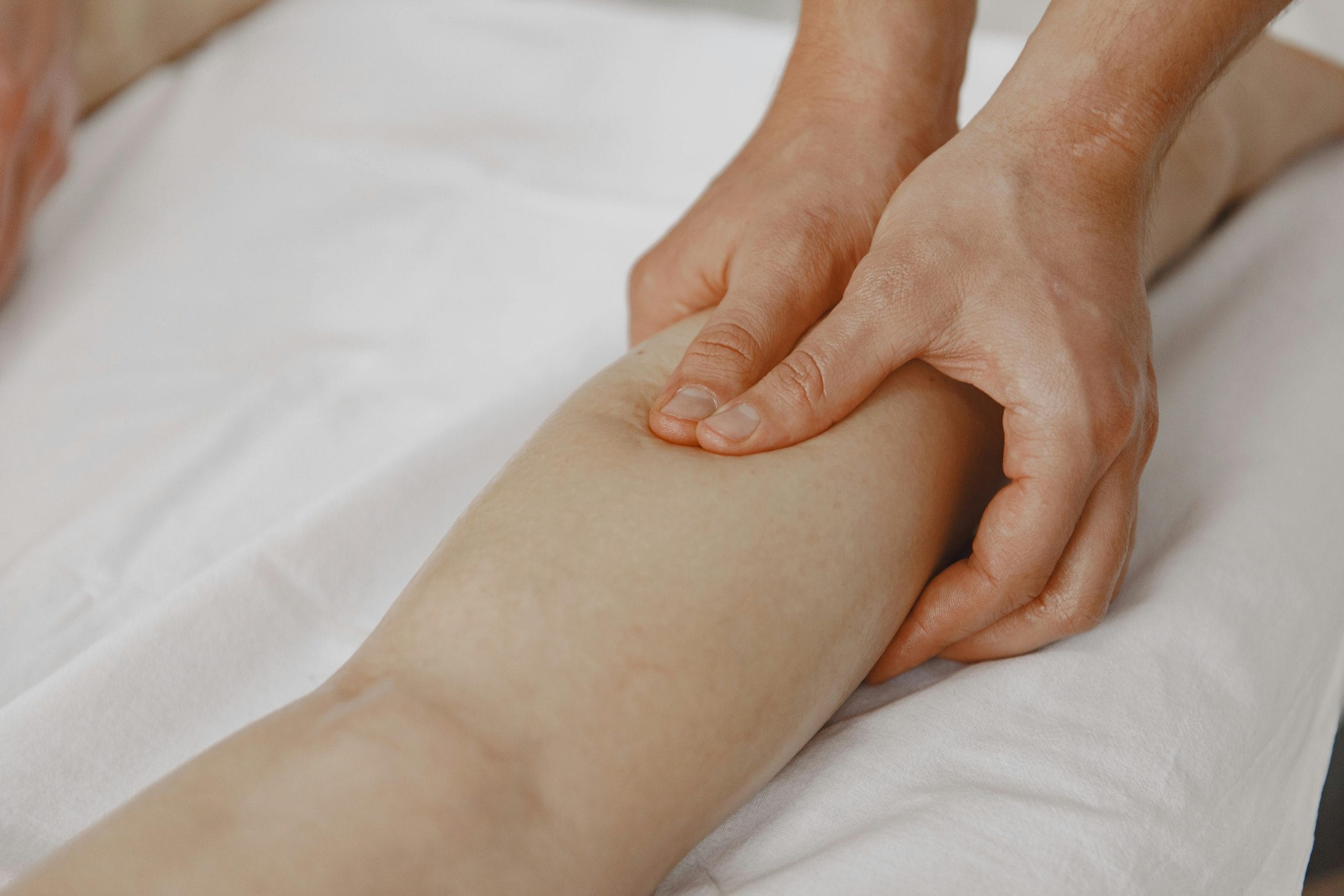
Soft tissue techniques to address muscular tension.
Gentle stretching to improve mobility.
Myofascial techniques to work with connective tissues.
Not everyone needs the same treatment, and not every appointment needs to involve hands-on techniques. Clinical reasoning determines what is appropriate.
Different Approaches Within Osteopathy
Osteopathy includes several approaches and techniques. Although they may look different in practice, they share an underlying philosophy: understanding the relationship between the body's structures and functions and supporting its ability to adapt.
Structural Osteopathy
Structural osteopathy focuses primarily on the musculoskeletal system, including muscles, joints, ligaments and connective tissues.
Techniques may include joint mobilisation, soft tissue work, stretching and, where appropriate, joint manipulation.
The aim is to address movement restrictions, reduce discomfort and improve the way the body moves and functions.
Visceral Osteopathy
Visceral osteopathy focuses on the relationship between internal organs and their surrounding connective tissues and supporting structures.
Practitioners use gentle manual techniques to assess and work with mobility and tissue tension in the abdominal and thoracic regions.
This approach considers how the body's different anatomical structures relate to one another. It should not be understood as a replacement for medical investigation or treatment of internal organ conditions.
Cranial Osteopathy
Cranial osteopathy uses very gentle, subtle hands-on techniques, often involving the head, spine and other areas of the body.
The approach focuses on tissue tension, comfort and the relationship between different body regions. Despite the name, cranial techniques are not limited to the head.
The pressure applied is generally much lighter than in many structural techniques.
One Philosophy, Different Techniques
These approaches may differ in the techniques used and the way the body is assessed, but the underlying intention is similar.
It is not about correcting or fixing the body as though it were a mechanical object. It is about understanding its anatomy, recognising where function may be affected and using appropriate techniques to facilitate movement, comfort and the body's natural capacity to adapt.
The choice of approach should always depend on the individual, their symptoms and the clinical findings.
What Can Osteopathy Help With?
Osteopathy is commonly used to assess and manage musculoskeletal complaints, particularly those affecting movement and everyday activities.
Depending on the individual assessment, osteopathic care may be appropriate for:
Lower back pain and stiffness.
Neck and shoulder pain.
Joint discomfort and restricted mobility.
Muscle tension and recurring muscular pain.
Sports-related injuries.
Postural strain associated with prolonged sitting or repetitive activities.
Persistent or recurring musculoskeletal symptoms.
Pregnancy-related back and pelvic discomfort, where appropriate.
Osteopathy can also form part of a wider approach to managing persistent pain associated with certain chronic health conditions.
However, not every symptom is musculoskeletal in origin. This is why proper assessment, clinical reasoning and collaboration with other healthcare professionals are so important.
Is Osteopathy Right for You?
You do not need to be experiencing severe pain or have a specific diagnosis before seeing an osteopath.
Sometimes, people simply know that something does not feel right. They may experience recurring stiffness, discomfort during certain movements or symptoms that keep returning despite trying different approaches.
An osteopathic assessment can help explore what may be contributing to these difficulties and whether treatment is appropriate.
The first step is always understanding the person, not choosing a technique.
Final Thoughts: Working With Your Body, Not Against It
Osteopathy is much more than massage or joint manipulation. It is a healthcare profession that combines clinical assessment, diagnostic reasoning and an in-depth understanding of human anatomy and physiology.
Andrew Taylor Still's original philosophy emphasised the body's ability to maintain health and recover when its systems function in harmony. Modern osteopathy has developed considerably since then, but the idea of looking at the body as an interconnected whole remains central.
For me, the most important part of osteopathic practice is not trying to fix the body, but understanding it well enough to facilitate its function.
Every person is different, and effective treatment begins with understanding why they are experiencing a particular problem.
If you are experiencing pain, restricted movement or recurring physical discomfort, an osteopathic assessment may help you understand what is happening and explore the most appropriate way forward.
Book an osteopathy appointment at Marylebone House in London to receive an individual assessment and treatment approach tailored to your needs.
Related treatment
Osteopathy in MaryleboneHands-on diagnosis and treatment to restore structure, movement and balance.
Ready to feel better?
Book a treatment with a GOsC-registered osteopath in Marylebone.